The future of property management: Service culture and tech that supports it | Podcast

Liz Pollock
06 January 2026
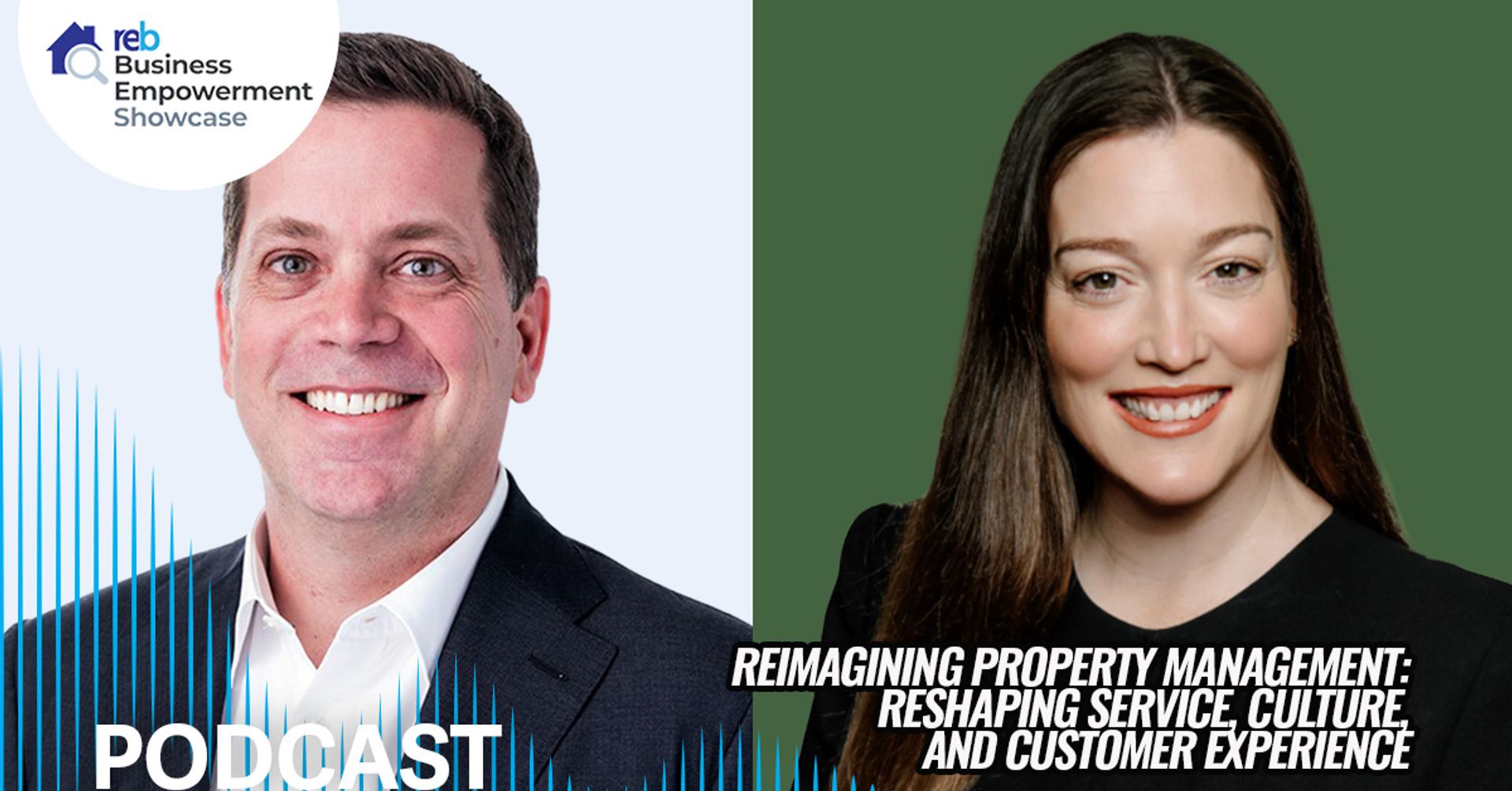
Ailo co-founder Ben White and Harcourts Solutions Group Property Management Director Jodie Stainton sat down with Real Estate Business to discuss what's really changing in property management. Spoiler: it's not just the technology.
When property managers wake up anxious about checking their emails, when landlords switch to shares because the real estate investment experience has been so poor, when talented team members leave the industry altogether – these aren't software problems. They're cultural ones.
That was the central theme of a recent conversation between Ben White, co-founder and CEO of Ailo, and Jodie Stainton, Group Property Management Director at Harcourts Solutions, on the Real Estate Business podcast.
What started as a discussion about property management technology quickly became something much bigger: a conversation about reshaping an entire industry's approach to service, culture, and customer experience.
The anxiety epidemic no one talks about
One of the most striking moments in the conversation came when Ben talked about something most property managers know intimately but rarely discuss openly: anxiety.
"I'm obsessed with anxiety in property management at the moment," he said. At industry events, when he asks property managers if they're nervous about returning to the office tomorrow, hands go up across the room.

“The inbox has become the de facto workload management system for most property managers. But email was never designed for that.”
— Ben White, co-founder and CEO of Ailo
Machines are good at prioritising messages based on sentiment, urgency, and importance. People checking their inbox at 2am hoping to get to "inbox zero" are not.
"Why shouldn't the work be prioritised based on importance rather than time?" Ben asked. "There's absolutely no reason why that can't be done."
For Jodie, this resonated deeply. At Harcourts Solutions, she noticed team members were building elaborate ecosystems around their core system just to do their jobs – Trello boards, Asana projects, Slack channels, even a physical key system.
"We had two people sitting on the front desk every day assigning emails because we had one email inbox," she said. "I can't know how quickly we're getting back to people because who knows?"
These weren't efficiency problems. They were signs that property managers had accepted working conditions no other professional would tolerate.
Why Gen Z isn't the problem
A running theme throughout the conversation was pushback against the narrative that younger workers are entitled or difficult.
“People talk about Gen Z and say, 'Oh, they're terrible'. But it's not true, they're not terrible; they just don't want to work somewhere where the culture doesn't support them.”
— Ben White, co-founder and CEO at Ailo
Jodie agreed. If property managers are leaving for competitors, if talented people are choosing other industries, that's not a generational issue. It's a leadership issue.
"Do you want to work for a leader that is pushing the edge, may be wrong sometimes, but at least is pushing?" Ben asked. "Or do you want to work for a leader that says 'I couldn't be bothered, maybe it's a fad'?"
In 2026, people want advancement in their careers. They want to work for leaders with vision. Salary alone isn't enough anymore.
Culture is what customers experience
Both Ben and Jodie kept returning to a central insight: in service industries, culture and customer experience are inseparable.
"You can have two identical restaurants serving the same food," Ben said. "If you have different culture in the team and the way they service you, the experience is fundamentally different."
“Property management is not the rent collection. Property management is not the routine inspection. It's the experience of being a landlord or a renter.”
— Ben White, co-founder and CEO at Ailo
For Jodie, this meant being intentional about every detail. Her team doesn't speak negatively about clients or tenants. Ever. It's not acceptable in her office.
"I had a new team member come in and she'd been there for a few weeks and we had our check-in," Jodie said. "She told me, 'I've never worked in a place where I haven't heard people say that tenant's this or that owner's that.' I think that was the moment where I went, okay, I'm actually doing some good things here."
She extends the same standard to how team members speak about each other.
"Everything speaks," she added simply.
The courage to be transparent
One of the most interesting threads in the conversation was about transparency as a cultural statement.
Ben talked about inviting an actual customer to sit in on a full-day strategic planning session with Ailo's leadership team and advisers. "We talked about our business warts and all. This person was there and it was wonderful. I think it's one of the best things we've done."
The message it sent through the team: this customer relationship isn't theoretical. We're actually committed to building this together.
For property management businesses, choosing software that doesn't allow you to turn off landlord or renter visibility is a similar cultural statement. You're saying to your clients: we're committed to transparency. You can see what we see. We're on the same team.
"That's not a technology statement, it's a cultural statement," Ben noted.
The verdict: history will judge
Both Ben and Jodie acknowledged they're making big claims about where property management is heading. And they're comfortable with that.
"History will judge if we're successful," Ben said. "But we're going to see it."
For Jodie, the proof is already showing up in her business. Her team is happier. Her clients are more engaged. Her agency is growing.

“If you don't have a vision that you're excited about, I can't see how anyone in your team would be excited about working for you.”
— Jodie Stainton, Property Management Director at Harcourts Solutions
But beyond metrics, there's something more fundamental happening. Property managers on her team are taking annual leave without anxiety. They're following clear priorities instead of drowning in their inbox. They're building relationships instead of just processing transactions.