Property management software was never built for property managers

Ailo
15 July 2026
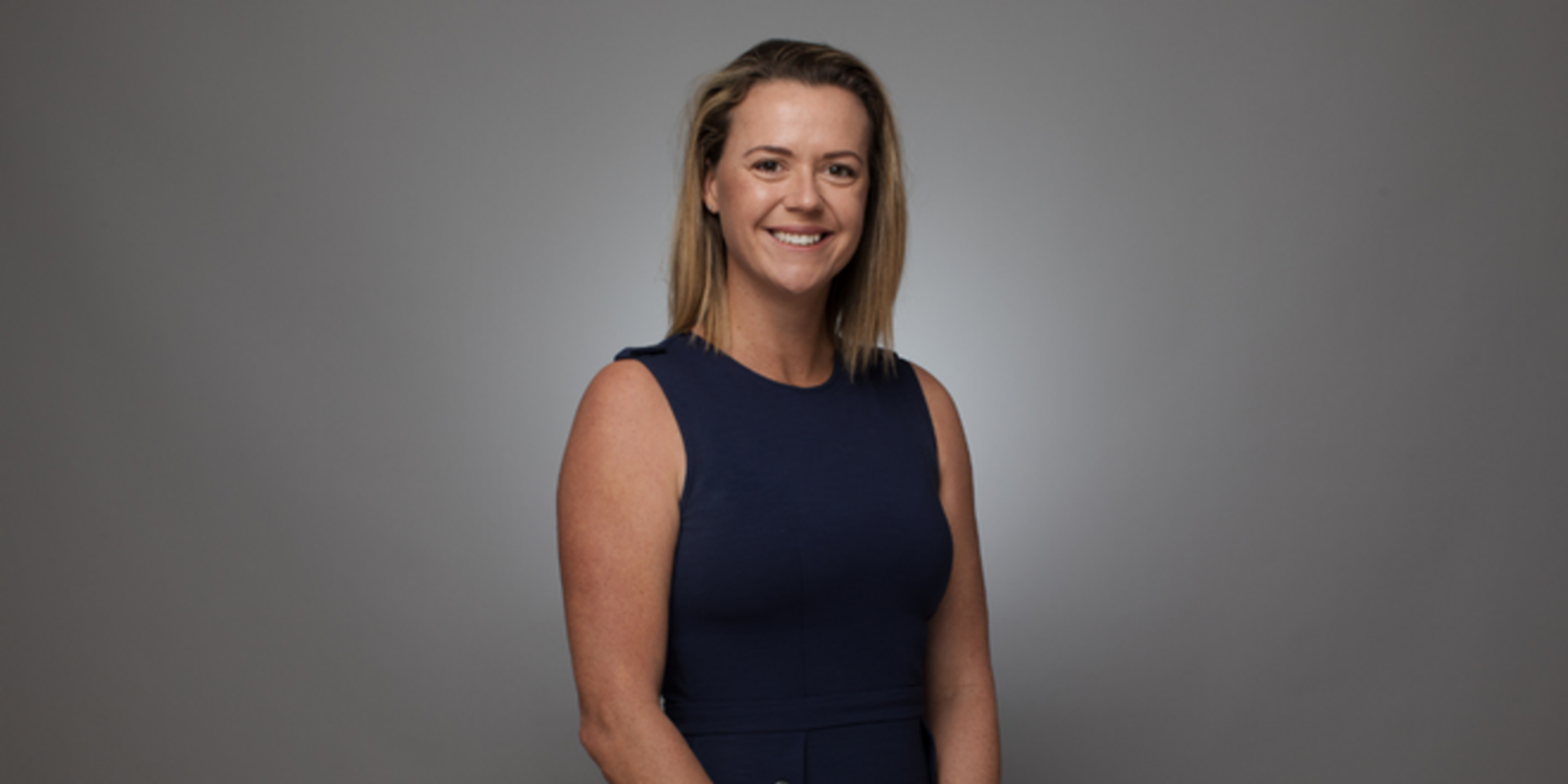
When Esther Sebbens talks about the software the industry has relied on for decades, she makes a distinction most people in the room have never heard put so plainly. The tools were built around the trust account, she argues, not around the property manager. For most of her career that meant the technology looked after the money and left the actual work, the repairs, the inspections, the renewals, the chasing, to whatever patchwork each office could assemble around it.
At Blackshaw Belconnen, the family agency she runs as Managing Principal, that patchwork had grown to the point of fatigue. Her team was moving in and out of a rental platform, a separate database for the offshore team, an inspection tool, and a handful of other bolt-ons, learning each one and stitching them together by hand.
“There was a little bit of tech fatigue happening, having to jump in and out of stuff,” she said, describing a working day that could touch five or six separate tools before a single task was finished.
“There was a little bit of tech fatigue happening, having to jump in and out of stuff,” she said, describing a working day that could touch five or six separate tools before a single task was finished.
Preparing a single tribunal matter for ACAT could mean pulling records from several systems at once. “This is not what productivity looks like, and it’s not what I want my team doing. We have better things to focus on,” she said.
“Of course we have to attend to ACAT matters, but it shouldn’t stop the business for hours or days at a time.”
“Of course we have to attend to ACAT matters, but it shouldn’t stop the business for hours or days at a time.”
What drew her to Ailo was not a feature. It was a category shift.

“A lot of property management technology has been around trust accounting and not really supporting property managers to do their role,” she said. Ailo arrived as a project management tool first, and for Esther that was the whole point. “Every single aspect of property management that you do really is a project. It’s a mini project. So if we can connect the dots and not have to move between different software, that’s the goal.”
— Esther Sebbens, Principal Blackshaw Belconnen
Her team took to it faster than a hardened property manager might expect, and she thinks the reason is telling.
“The majority of my staff actually aren’t from a property management background, so they were willing to embrace the change,” she said. “Everybody has had exposure in different industries to project management, so it made sense to move to this.”
The office already ran on tight procedures and checklists, and those carried straight across. “Because we had tight procedures and checklists, we were able to move those pretty much straight into Ailo, and the projects and actions were already set. It felt familiar.” It was, she adds, a good deal more intuitive than the database they had been running.
“The majority of my staff actually aren’t from a property management background, so they were willing to embrace the change,” she said. “Everybody has had exposure in different industries to project management, so it made sense to move to this.”
The office already ran on tight procedures and checklists, and those carried straight across. “Because we had tight procedures and checklists, we were able to move those pretty much straight into Ailo, and the projects and actions were already set. It felt familiar.” It was, she adds, a good deal more intuitive than the database they had been running.
The most concrete change was one she felt in her own week. Blackshaw Belconnen had bought a rent roll over six years, which left Esther disbursing three times a month, on the fifteenth, the twenty-fifth, and at end of month. Moving that burden onto the platform gave her a full day back every month. “That’s really incredible,” she said. “A full day back a month.”
The rollout to renters was calmer than she expected. Her team identified the people likely to find the change hardest, called them personally, and left existing trust payments in place rather than forcing anyone across. Three complaints, in total. On the busiest day for receiving funds out of trust, the day after public service payday, twenty-two transactions now take about five minutes.
As a principal, Esther reads the wider market from where she sits. Investors are better informed than they were, and they are starting to expect the visibility and the faster access to their money that a platform like this makes possible.

“Landlords are becoming more educated that they don’t have to wait until the end of the month to get their cash,” she said. “They’ll actually be looking for a product like this when they’re being pitched a property management service.”
— Esther Sebbens, Principal Blackshaw Belconnen
An investor who can see funds building in their wallet can draw them down for a bill when they need to, rather than waiting for the calendar. Her warning to peers is unsentimental. “Those agencies that aren’t doing this will start missing out on business.”
Her own view of the change is just as direct. “Change can be really scary, especially when you know something in your sleep,” she said. “But you’ve got to keep moving with technology. If you don’t, you’re going to be left behind.” Once the team had settled in, she found that much of the manual work they used to do by hand had quietly become redundant, absorbed into the platform. “The system will do it for you.”