The Hidden ROI of a Happier Property Management Team

Ailo
30 July 2026
Rory Somerville is Managing Director of Ray White Bendigo, a business of around two thousand properties run by a team of forty-five with close to fifteen more offshore. He was among the first principals in the country to move his business onto Ailo, and retention, not acquisition, is the number he watches. He is also unusually candid about where the business started.
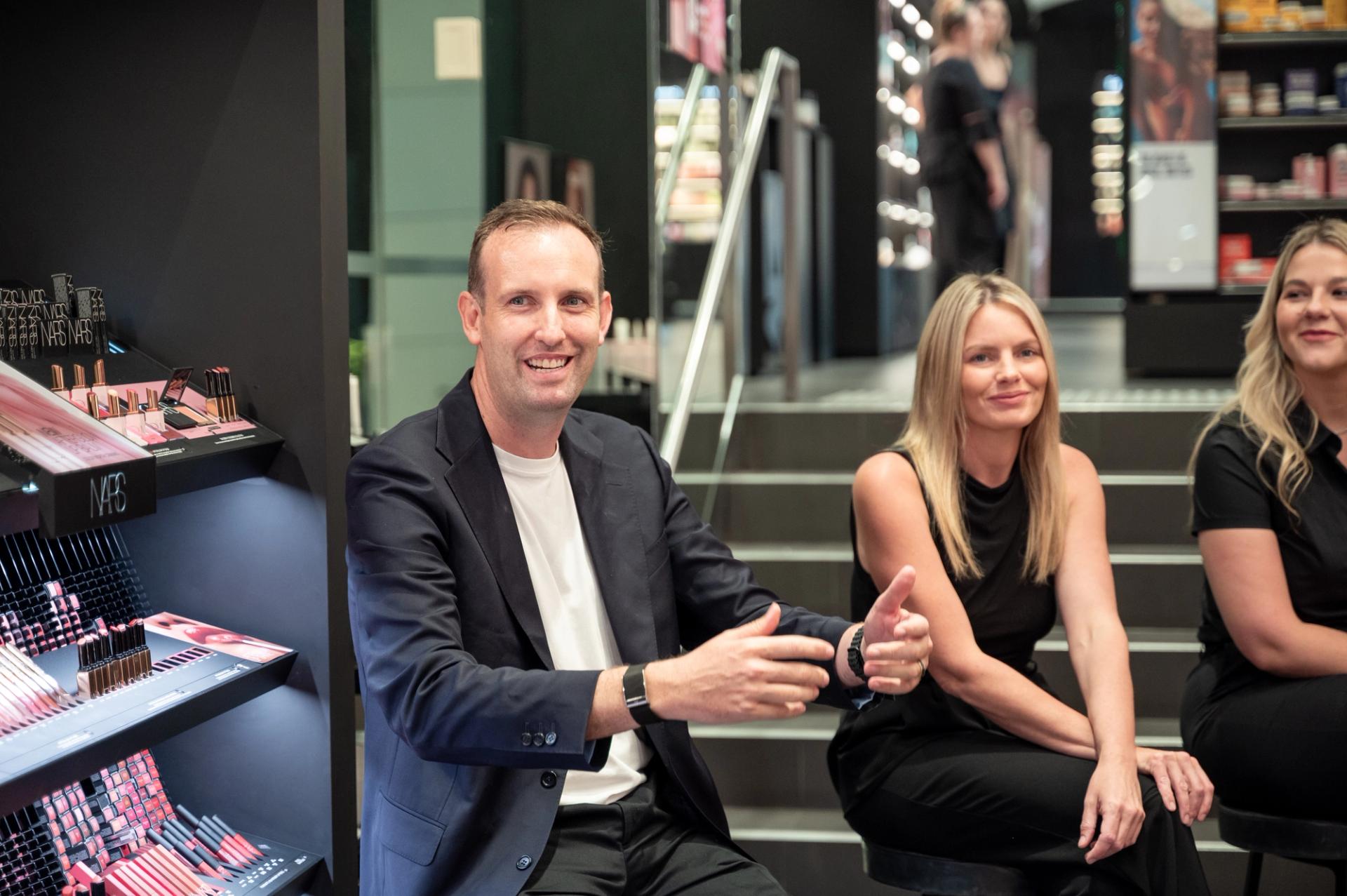
"We swapped to Ailo when we weren't an excellent business. We were probably an OK business," he told the room at a recent industry panel in Adelaide.
The conversation that started it had nothing to do with software. Rory and his business partner were talking about how to become the easiest person in property management to be employed by.

“We wanted our team members to say, I love working there, they’re so easy to deal with, they’re great to work for.” Behind that ambition sat a problem the whole industry recognises. “We were having churn, we were having turnover, there was a lot of burnout in the industry, and we were looking for a solution or a path to make us an employer of choice.”
— Rory Somerville
What the day actually looked like explains why. Property managers arrived, sat down, opened their email, and used the inbox to decide which fire to put out.
"Emails were just flying left, right, and centre and you would reply to one email and then you go to the next one and then the first one’s replied and then all of a sudden you’ve done nothing for the day other than deal with two different things."
The work itself was scattered across separate programs, one for inspections, one for messages, another for the ledger, each with its own login and its own logic.
Now the order of the day is inverted.
Now the order of the day is inverted.
"The first thing we do is we look at our projects, we've got a structured approach to the day," Rory said. "Anyone that's structured and consistent and has steps to follow is going to be more efficient."
Messages are the second or third thing a property manager touches, not the thing that sets the agenda.
The consequence he did not anticipate came from one of his own property managers. Ahead of a speaking engagement, he asked her what she would say if she were the one on the panel. Her answer was not about software. "She said, oh, I just love the fact that I can have sick leave and actually be sick, rest, relax, and come back recovered." For Rory, that landed as an indictment of the industry rather than a compliment to a platform.
The consequence he did not anticipate came from one of his own property managers. Ahead of a speaking engagement, he asked her what she would say if she were the one on the panel. Her answer was not about software. "She said, oh, I just love the fact that I can have sick leave and actually be sick, rest, relax, and come back recovered." For Rory, that landed as an indictment of the industry rather than a compliment to a platform.

“When did our industry get to a point where people were hiding illness and they were coming into the workplace and infecting everyone else and then everyone else becoming sick, and there was this cycle of chaos?”
— Rory Somerville
Since the right to disconnect became law, every principal in the country carries a sharper obligation to their team's mental health. Rory's view is that the obligation is easier to meet when a business does not depend on any one person’s private way of doing things. His team now book annual leave and take it.
When somebody is sick, they are sick, and the portfolio keeps moving without them. Nobody has to choose between recovering and keeping their portfolio in order.
What he did not expect was to find that showing up in the accounts. He and his business partner went back through the balance sheet and compared the trajectory of their employee obligations before the change and after it.
When somebody is sick, they are sick, and the portfolio keeps moving without them. Nobody has to choose between recovering and keeping their portfolio in order.
What he did not expect was to find that showing up in the accounts. He and his business partner went back through the balance sheet and compared the trajectory of their employee obligations before the change and after it.

“People now feel comfortable booking annual leave and taking annual leave,” he said, “and our balance sheet obligations of annual leave have considerably decreased. ”
— Rory Somerville
A team that rests is a team that is not carrying an unused entitlement the business has to hold against.
The other change sits further from the team and closer to the ledger. Because money no longer waits for the month to close before it moves, the business holds far less of it at any one time. "One thing with Ailo is you hold less money," Rory said. That made the business a lower risk to its insurer, and it renegotiated its professional indemnity premium down on the strength of it.
Rory does not offer any of this as a single reason to change, he calls them by-products, the sort of thing a legacy system never puts in front of a business owner because it was never built to look.
His point is the one worth reflecting on; the business set up so its people can rest and the business carrying less on its balance sheet are not two different businesses. They are the same decision, seen from two ends.
The other change sits further from the team and closer to the ledger. Because money no longer waits for the month to close before it moves, the business holds far less of it at any one time. "One thing with Ailo is you hold less money," Rory said. That made the business a lower risk to its insurer, and it renegotiated its professional indemnity premium down on the strength of it.
Rory does not offer any of this as a single reason to change, he calls them by-products, the sort of thing a legacy system never puts in front of a business owner because it was never built to look.
His point is the one worth reflecting on; the business set up so its people can rest and the business carrying less on its balance sheet are not two different businesses. They are the same decision, seen from two ends.